
Celebrity Personality Analysis
Roger Federer
Age
45
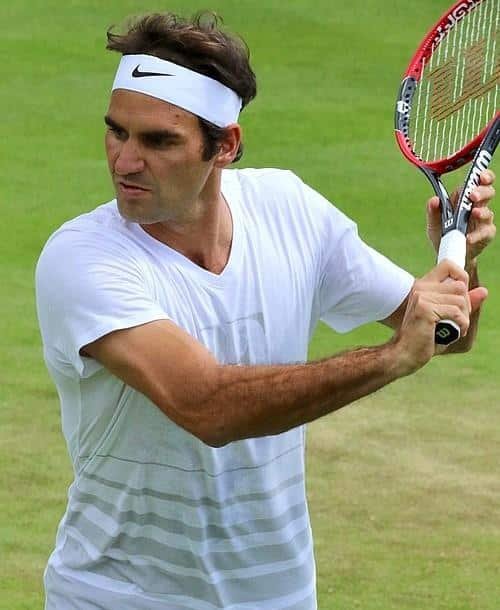
Roger Federer
Age
45
- Net Worth
- Height
- Hometown
- Nickname
- Net Worth
- Nickname
Quick Take
The Roger Federer Image People Know
Roger Federer is a professional tennis player famous for elegant shot-making, consistency, and dominance at the sport’s highest level. His career took off in the early 2000s when he won his first Wimbledon title. He went on to capture 20 Grand Slam singles titles, spend years ranked world No. 1, and become closely associated with Wimbledon success, longevity, and a graceful playing style that defined modern tennis.
85
84
92
91
84
92
91
Credibility
Fan Vibe
Industry Vibe
What People around Roger Federer Say
Many players, coaches, and staff describe Roger Federer as professional, respectful, and surprisingly playful off-court. He’s known for greeting locker-room staff and speaking up for ball kids, asking other players to treat them with respect. People also point out that young Federer could be cocky in interviews, slow to credit some rivals, and sharp in a few press comments, something he later admitted and toned down. Overall he’s seen as driven but fair, not a diva.
Summary
- Professional, respectful with players and staff
- Playful prankster off court with peers
- Competitive edge without diva-like behavior
Fans Interactions
Everyday people and staff who meet Roger Federer mostly describe him as approachable, patient at signings, and generous with kids and charity requests, including quiet acts like special messages or surprise visits. Some stories say he can look self-absorbed moving through airports or after hard losses, keeping interaction very short, which a few people read as standoffish or superior. Overall, regular people usually see Federer as polite and respectful, not bullying or crude.
Summary
- Kind to kids and event staff
- Usually patient with photos and autographs
- Rare moments feel rushed or standoffish
General Public Interactions
Everyday people and staff who meet Roger Federer mostly describe him as approachable, patient at signings, and generous with kids and charity requests, including quiet acts like special messages or surprise visits. Some stories say he can look self-absorbed moving through airports or after hard losses, keeping interaction very short, which a few people read as standoffish or superior. Overall, regular people usually see Federer as polite and respectful, not bullying or crude.
Social Media Personality
Roger Federer uses social media to share tennis milestones, brand partnerships, and philanthropic work through his foundation. He avoids party politics and public policy fights, keeping posts respectful and neutral. Repeated themes highlight gratitude, sportsmanship, family life, and global charity, with almost no controversy. Overall, his online personality is respectful, humble, brand-aware, globally minded, and deliberately low-drama.
Final Posernot Verdict
Notable Controversies
(2024) Fans criticized Federer for skipping major tournaments while heavily promoting his own Laver Cup. This debate raised questions about his priorities, although he broke no formal rules.
(2020) Climate activists targeted Federer through the “Roger Wake Up Now” campaign. Backed by Greta Thunberg, they criticized his sponsorship with Credit Suisse over its fossil-fuel investments.
(2020) Federer regained his iconic “RF” logo after prolonged legal negotiations with Nike. The brand had retained the trademark following his high-profile departure for Uniqlo in 2018.
(1998) Federer struggled with emotional outbursts and racket smashing early in his career. He eventually sought help from a sports psychologist to manage his on-court temper issues.